Blog
Welcome to the Scientific Discoveries Blog — your source for the latest insights, breakthroughs, and stories from the world of science.
Here, we explore the ideas and innovations that are shaping the future. From deep space to deep sea, from nanotechnology to neuroscience, our mission is to bring you fascinating discoveries in a way that’s clear, engaging, and easy to understand.
-
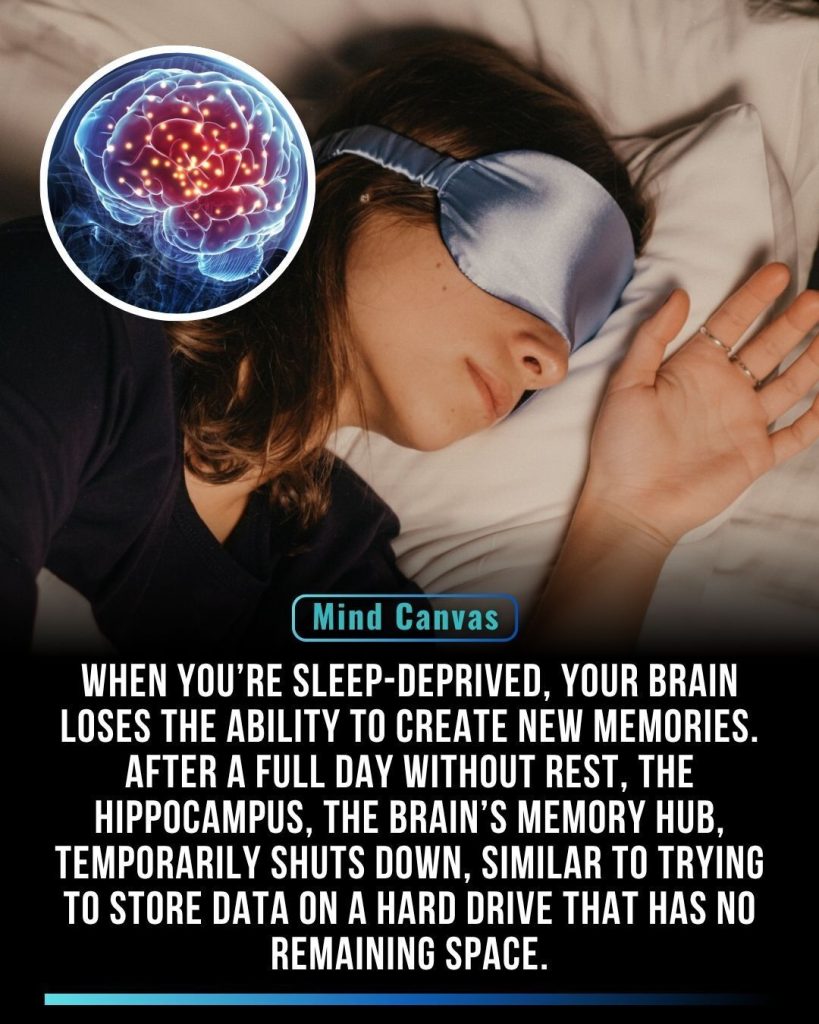
Your brain forgets how to remember when you lose sleep
This is not just about feeling tired. When you stay awake too long, your brain literally stops being able to make new memories. Studies show that after about 24 hours without sleep, the hippocampus, which is your brain’s memory center, goes quiet. It is like trying to save a file to a laptop that has run out of storage. Nothing sticks.
Sleep is not just rest. It is a night shift for your brain. While you sleep, your brain sorts through your day, files important memories, and clears out mental clutter. It strengthens learning, protects emotional balance, and resets your thinking power. When you skip that process, your brain gets overwhelmed. You can still function, but you are working with a foggy mind that struggles to focus, learn, or remember what just happened.
Think about the last time you pulled an all nighter. The world looked duller. Simple tasks felt harder. And conversations blurred together. That is your brain begging for sleep so it can get back to recording your life properly.
Sleep is one of the most powerful tools you have for success. Protect it. Your memories, your mood, and your future self will thank you.
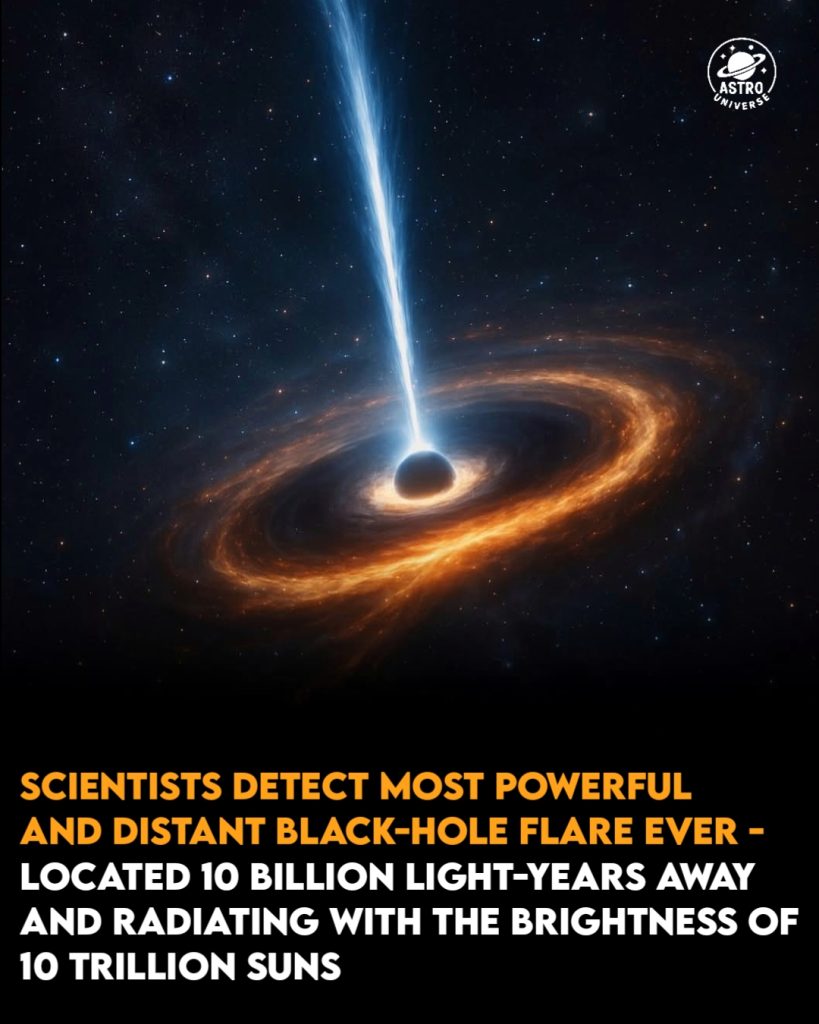
Astronomers have recorded the most powerful and distant flare ever seen from a supermassive black hole. The event came from galaxy J2245+3743, roughly 10 billion light-years away, and reached a luminosity about 10 trillion times greater than the Sun. The flare likely resulted from a tidal disruption event in which a star around 30 solar masses was pulled apart after approaching the black hole too closely.
The central black hole is estimated at roughly 500 million solar masses. This outburst was nearly 100 times brighter than typical tidal disruption events and briefly outshone the entire host galaxy. It was first detected by the Zwicky Transient Facility and later confirmed by ground-based observatories including Keck and Palomar, along with space-based instruments. The flare intensified for months, underscoring the exceptional scale of the event.
Because of its extreme brightness and distance, the flare offers a rare look into the early universe. It provides new data on black-hole growth, star-destruction physics, and the interaction between supermassive black holes and their surrounding environments. The observation sets a new benchmark for studying high-energy black-hole activity and will help refine models of matter under extreme gravitational forces.
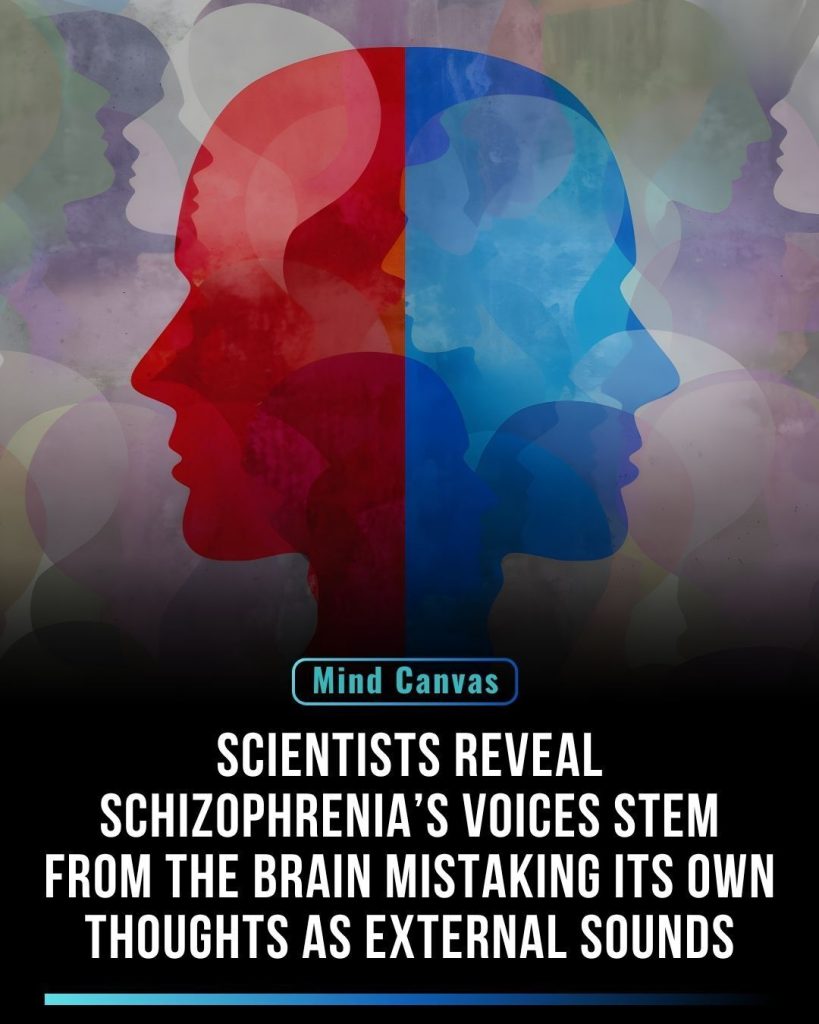
Your brain can mistake your own thoughts as someone else’s voice
Scientists have discovered something deeply eye opening about schizophrenia. Those frightening inner voices many patients hear are not coming from outside forces. They are the brain mishearing its own thoughts and tagging them as external sound.
In a healthy mind, your brain has a system that labels your thoughts as yours. It knows when a voice is internal and when sound truly comes from the world around you. But in schizophrenia, this recognition system glitches. Neural circuits involved in self monitoring and speech processing misfire. So the person’s inner dialogue feels foreign, like someone else is speaking inside their head.
It is not imagination or weakness. It is a neurological mix up in how the brain separates self from other. Researchers have found that areas responsible for internal speech become overactive while regions that check the source of thoughts become underactive. The result is a mind that cannot always tell who is talking.
Understanding this changes how we see mental illness. It turns fear and stigma into empathy and science. These voices are not a mystery. They are the brain struggling to interpret itself. And every step toward understanding brings hope for better treatments and a kinder world for those who live with this condition.
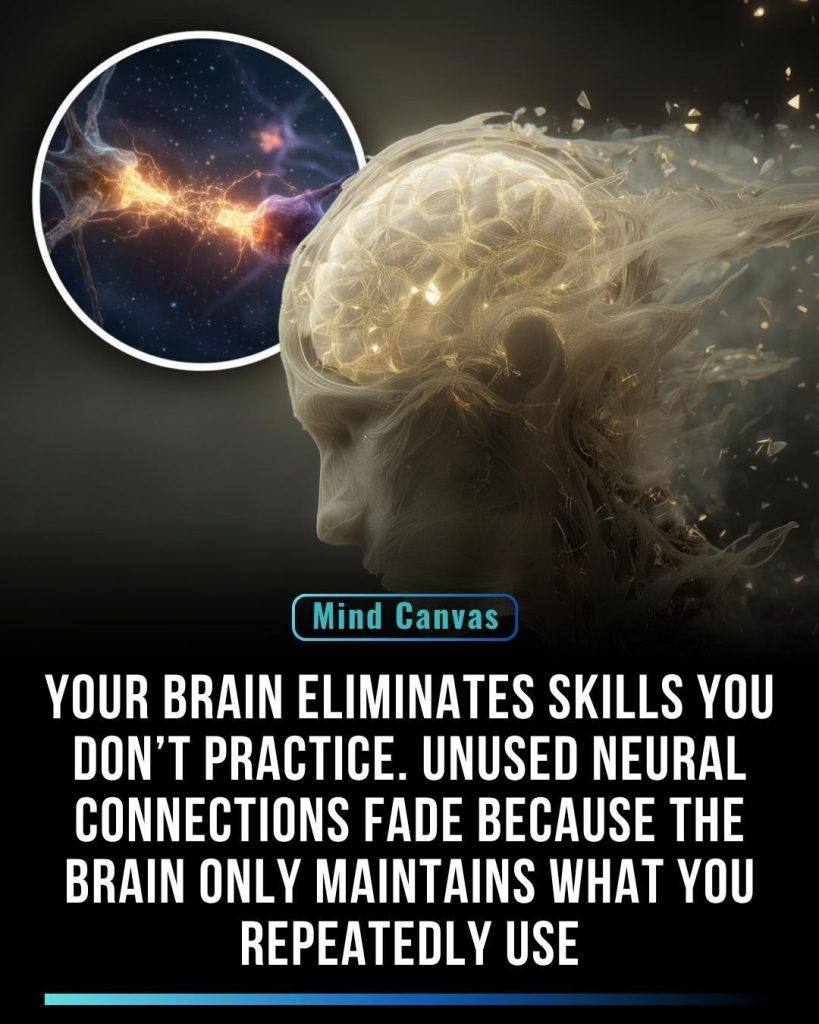
Your brain quietly deletes the skills you stop using.
There is a surprising rule hidden inside your mind. The skills you practice get stronger and faster. The skills you ignore slowly fade away. Your brain literally prunes unused neural connections so it does not waste energy on things you no longer do.
This process is called synaptic pruning. It happens when you are a kid learning language and movement. It happens again during your teenage years as your brain rewires for adulthood. And it continues your whole life. If you stop speaking a language you once knew, it gets rusty. If you stop playing piano, your fingers forget the flow. If you stop thinking creatively, those pathways weaken too.
Your brain is like a garden. Practice waters the roots. Repetition grows the branches. Neglect lets weeds take over and useful pathways shrink away. The good news is that this works in your favor too. Any skill can be rebuilt. New habits can grow stronger. Neural circuits can reform as long as you use them.
So keep challenging your mind. Write. Read. Learn new things. Move your body. Speak that language. Practice that hobby you love. Your brain grows where you give it attention.
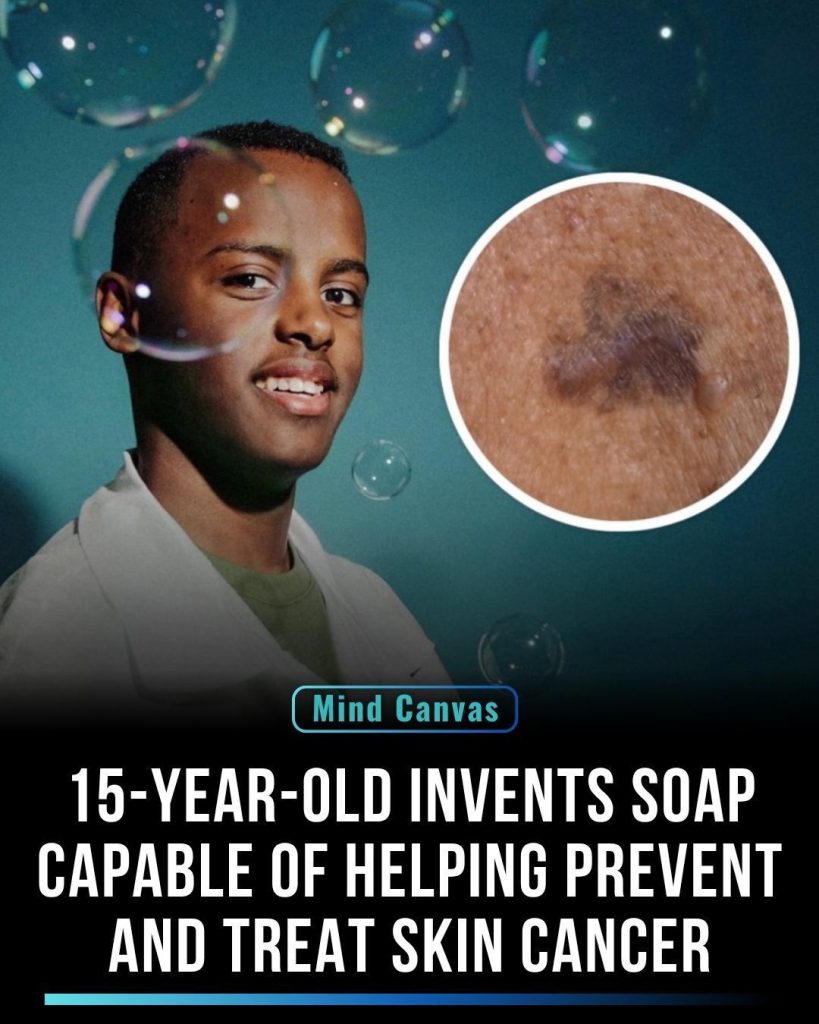
Teen’s homemade soap shows the world how innovation starts small
A 15-year-old student did not just make a school science project. She created a special soap designed to help prevent and potentially treat skin cancer. Her idea began with a simple question. If plants and natural compounds protect themselves from sun damage, why can’t they help humans too?
So she researched antioxidants found in ingredients like turmeric, green tea extract, and natural oils known for repairing and protecting skin cells. Then she blended them into a gentle cleansing bar and tested how its ingredients fight free radicals, the tiny molecules that damage skin and can lead to cancer. Early lab results were promising. Her soap did not cure cancer, but it reduced oxidative stress in cells, a key step in preventing DNA damage from UV exposure.
This is not a product on store shelves yet. It still needs clinical studies and expert testing. But that is what makes this story powerful. It shows that curiosity can spark real solutions long before someone becomes a scientist or doctor.
You never know what idea you are holding right now. Maybe it is a school project. Maybe it is a sketch in your notebook. Every breakthrough begins with someone brave enough to test a question that others overlooked.
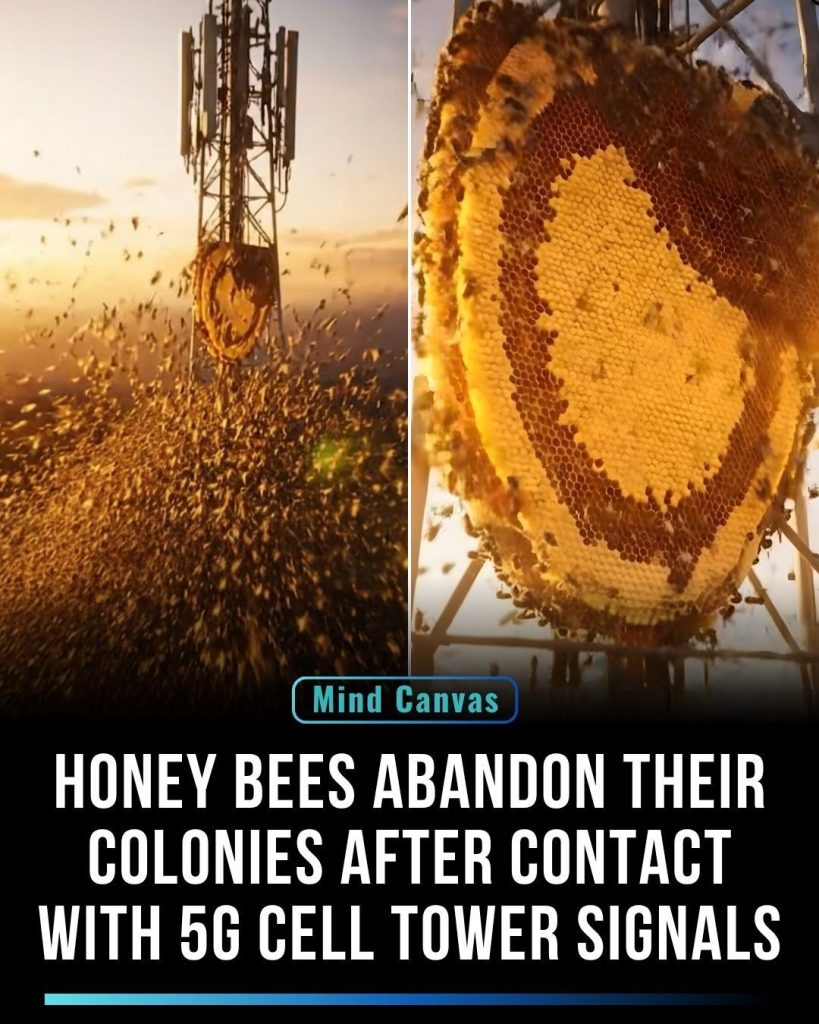
Bees abandoned hives after a signal they never evolved to understand
There is a viral headline making rounds about honey bees fleeing their hives when exposed to 5G cell towers. It sounds dramatic and terrifying. A world where technology silently pushes away the tiny creatures that keep our food system alive. But here is the truth backed by real science, not fear.
Honey bees face serious threats today. Habitat loss. Pesticides. Parasites like the Varroa mite. Climate stress. These are the proven dangers driving colony decline. What about cell towers and 5G? Studies so far have found no solid evidence that 5G radiation forces bees to leave their hives or collapse colonies. In controlled research, bees may react to sudden electromagnetic exposure with brief confusion or stress, but they do not permanently abandon their homes because of it.
Nature is sensitive. Bees rely on tiny magnetic cues and chemical signals to navigate. That means scientists still study how technology affects them. But right now, blaming 5G distracts from the real fight to protect pollinators. Bees need flowers, safe habitats, and protection from harmful chemicals more than anything.
So next time you see a shocking claim about bees and tech, pause. Ask where the science is. Because saving these tiny workers requires real solutions, not panic headlines.